
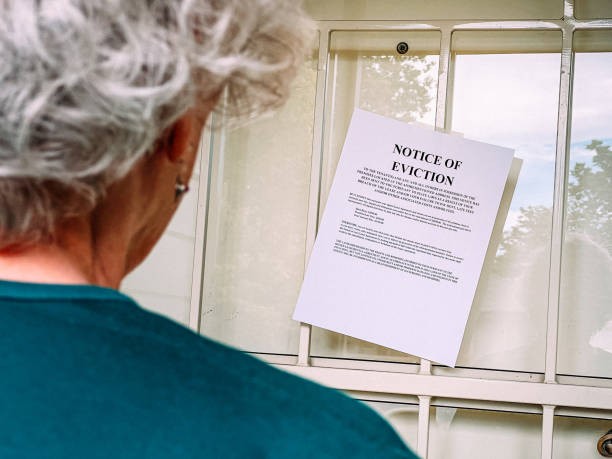
Facing an eviction in California can be daunting, but acting decisively can help you take control of the situation. If you received an eviction notice, it’s crucial to be aware of your protections and options for delaying or avoiding displacement. Here’s an overview of the general steps and considerations to remember:
1. Review the Notice
Ensure the document clearly states the reason for eviction, such as a missed payment, a lease violation, or other legally valid ground. It must also specify the timeframe within which you have to resolve the issue or vacate the premises.
For example, a “3-Days Notice to Pay Rent or Quit” is typically used when rent is unpaid, while a “3-Days Notice to Cure” is issued when there’s a breach in the lease agreement. Other violations may require a 30-days, 60-days, or 90-days notices, depending on the length of tenancy.
Additionally, carefully scrutinize the written notice for incorrect dates, misspelled names, or inaccurate statements. Any detected mistake can weaken and potentially dismiss the landlord’s case.
2. Communicate and Address the Issue
After reviewing the notice, talk and cooperate with your landlord, as it may stop the eviction process early. If the notice allows you to rectify the underlying problem, proactively suggest solutions, as this demonstrates your commitment to compliance. For example, if you’re behind on rent, explain your circumstances and propose a payment plan that you can realistically manage.
Moreover, keep a detailed record of all communications, including emails, letters, phone calls, and any agreements. This documentation is invaluable if the matter progresses to court.
3. Know Your Rights and Defenses
Aside from speaking with your landlord, it’s essential to understand the tenant protections applicable to you. California law prohibits landlords from removing tenants by harassing them, disconnecting access to utilities, or locking them out of the property.
Beyond that, the Tenant Protection Act (AB 1482) forbids landlords from evicting renters based on race, religion, gender, sexual orientation, or other characteristics. If your eviction case involves allegations of discrimination or denial of reasonable accommodations, you may have strong defenses against eviction.
4. Respond to Court Papers
If your legal protections and communication do not resolve the issue, your landlord may file an eviction or unlawful detainer lawsuit against you. Upon receiving the court papers, you have five days to send a response and defend yourself.
The lawsuit will proceed to court hearings, where you can present your argument and supporting evidence. After hearing both sides, the judge will decide the outcome. Do note that failure to appear in court can result in a default judgment and eviction.
Get the Support You Need Against Eviction
Preventing evictions involves taking quick action, communicating effectively, understanding your rights, and knowing when to address the matter in court. By following this guide and seeking support, you can increase your chances of safeguarding your home. For more information on how to stop an eviction in California, consult The Eviction Stoppers today.