
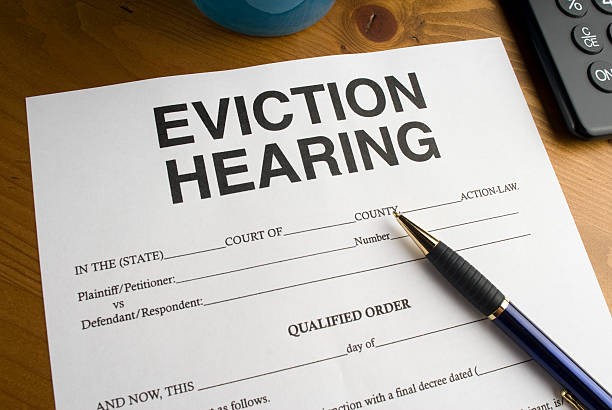
Facing an eviction trial in California is a stressful and overwhelming experience. However, understanding the process is the first step towards protecting your rights and staying in your home. This guide breaks down the stages of an eviction trial, providing valuable insights and practical advice to help tenants navigate the legal process.
Preparing for the Trial
Building a strong defense is essential before entering the courtroom. Start by gathering all relevant documents you’ve received from the landlord. Thoroughly examine them to identify any defenses applicable to your situation, such as:
• The landlord’s failure to maintain the property
• The landlord’s failure to provide a notice to pay or quit before filing eviction
• The landlord’s choice to evict despite the tenant correcting a lease violation within the appropriate period
Next, collect evidence to back your defenses, which may include:
• Text messages or emails
• Witness statements
• Repair requests
• Rent payment records
Most importantly, familiarize yourself with California’s tenant laws and protections. You can turn to resources like California’s Department of Justice, Department of Consumer Affairs, and local tenant advocacy groups for valuable information.
What To Expect During the Court Proceedings
Once you’ve prepared your case, the next step is understanding what happens in the courtroom. Eviction trials are structured legal processes, and learning about each stage can help you navigate them more effectively.
1. Opening Statements
The trial begins with both parties or their legal representatives presenting overviews of their cases. The landlord explains their reasons for seeking eviction, while the tenant states their defenses and reasons why the eviction is unlawful or unwarranted.
2. Presentation of Evidence
Both parties present their evidence to strengthen their claims, including lease documents, payment records, photos, witness testimonies, and other relevant proof. However, the landlord presents first before the tenant.
3. Witness Examination
Each party has the opportunity to question its own witnesses to present its side of the story as well as question the other party’s witnesses. This stage allows them to challenge the evidence presented and expose weaknesses in the opposing side’s case. Additionally, the judge may question the witnesses to clarify points raised, seek more information, or probe their credibility.
4. Closing Arguments
The landlord provides a summary of their case, including the proof backing their claim for eviction. Similarly, the tenant summarizes their defense, highlighting the evidence that supports their right to remain in the property.
5. Judge’s Decision
The judge will carefully examine the proof and arguments and may issue a decision immediately. Alternatively, they may take the matter under advisement and issue a decision in writing at a later date.
Conclusion
Dealing with eviction is a challenging experience, but you are not alone. Knowing your legal rights and what happens when you go to court for eviction can help increase your chances of a favorable resolution. If you are facing eviction in California, consult The Eviction Stoppers today to ensure you are fully informed, prepared, and protected.